Regulation (EU) 2024/1781

Textiles has the nearest deadlines, and none of them is a passport. A destruction prohibition, an annual disclosure and a producer responsibility scheme all land before any delegated act does.

Unsold apparel, clothing accessories and footwear may no longer be destroyed by large enterprises, what is discarded has to be published in a set format, and fibre composition has been a labelling duty for years. Norruva structures the fibre, durability, recyclability and discard data so each of those obligations is answered from one record.

ProductsApex Insulated JacketPublished

Textiles and apparel passport

Northline Apex Insulated Jacket · SKU AJ-1003-BLK-M

Regulation (EU) 2024/1781

Sample data. Northline is a fictional brand and the GTIN comes from the GS1 example range.

Passport data6 of 8 fields
  • Fibre compositionRecycled polyester 58 % · Polyester 22 % · Nylon 15 %Verified
  • DurabilityClass B, from pilling, abrasion and colour fastness testsVerified
  • Recycled content58 % post consumerVerified
  • RecyclabilityFibre to fibre potential, with disassembly instructionsVerified
  • Restricted substancesScreened against the candidate list, none presentVerified
  • Care instructionsWash, dry and repair guidancePending

+2 more

Last updated May 12, 2025 at 10:24 AM

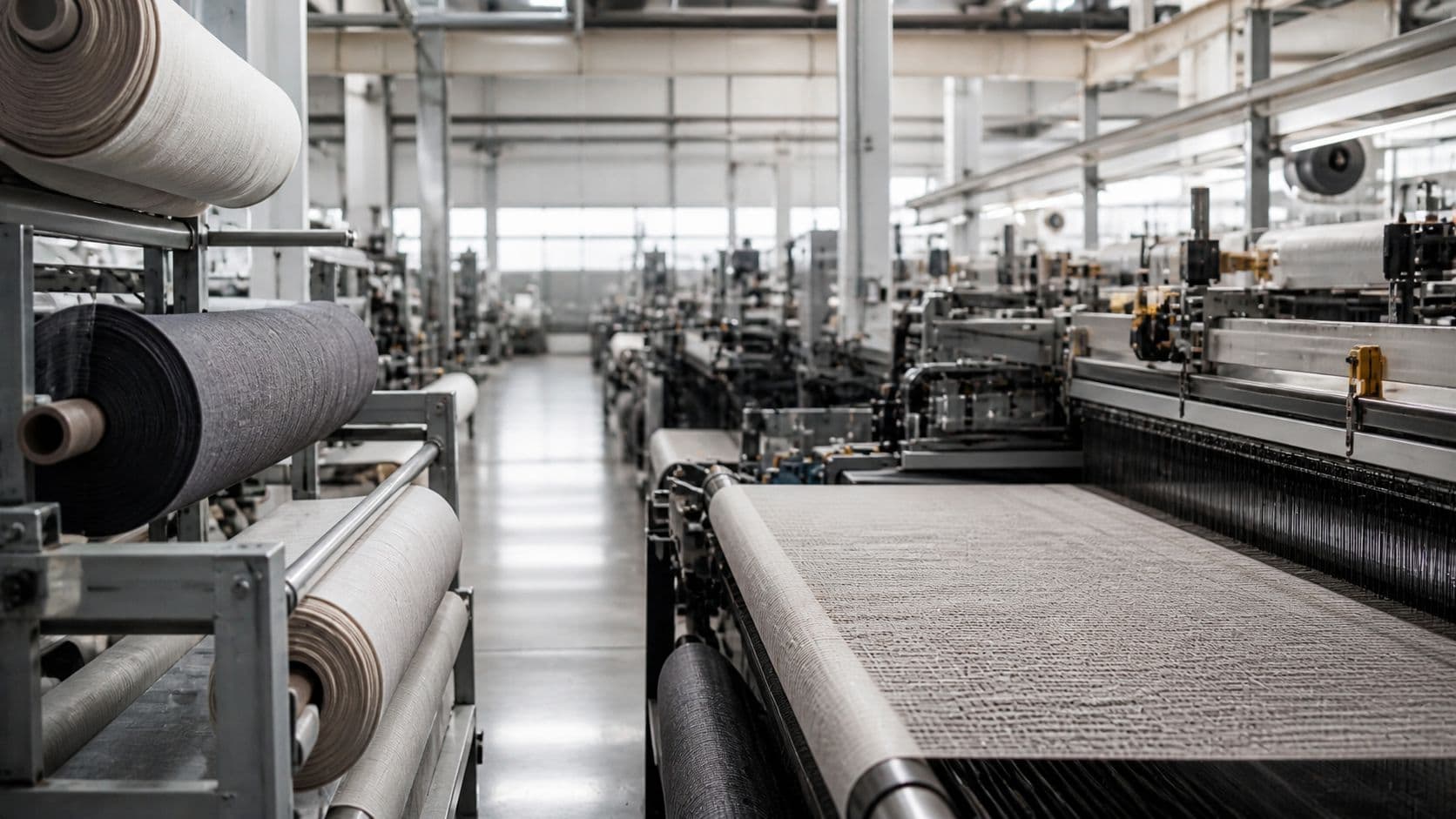
Rolls of fabric beside weaving machines on a textile mill floor
Textiles and apparelRegulation (EU) 2024/1781

The law

The regulation that governs it. Every statement below names the instrument it comes from, the article it sits in, and the date of the copy we hold.

Held instrument

Regulation (EU) 2024/1781

The framework regulation carries the destruction prohibition and the disclosure duty for unsold consumer products. It also empowers the textiles delegated act, which has not been adopted.

  • The Ecodesign for Sustainable Products Regulation is the framework the digital product passport is set up under, and it is in force.Art. 80 · 18 July 2024In law
  • The destruction of unsold consumer products listed in Annex VII, which covers apparel, clothing accessories and footwear, is prohibited for large enterprises, and the same prohibition reaches medium sized enterprises on a later date.Art. 25(1) · 19 July 2026In law
  • The Commission must set up the digital registry that stores the unique identifiers of digital product passports.Art. 13(1) · 19 July 2026In law
  • No delegated act setting ecodesign and information requirements for textiles has been adopted, so there is no textile passport content list and no date to publish one.Art. 4Not adopted
  • The first working plan must prioritise textiles, in particular garments and footwear, for the setting of ecodesign requirements.Art. 18(5)(c)Roadmap

Source: CELEX 32024R1781 · as of 28 June 2024

Held instrument

Implementing Regulation (EU) 2026/2

The implementing regulation fixes the format of the annual disclosure. It is the reason the discard record has to be structured rather than narrative.

  • For each full financial year after the implementing regulation applies, an economic operator that discards unsold consumer products must publish, within twelve months of the year end, the units and weight discarded per product category, the reason for discarding them and the waste treatment split, in the format set out in Annex I.Art. 2, Art. 7 and Annex I · 2 March 2027In law

Source: CELEX 32026R0002 · as of 10 February 2026

Held instrument

Directive (EU) 2025/1892

The waste directive amendment brings textiles into extended producer responsibility, with registration and fees that move with the product.

  • Member States must have extended producer responsibility schemes for textile, textile related and footwear products in place, with producer registration and fees modulated on the products themselves.Art. 22a · 17 April 2028In law

Source: CELEX 32025L1892 · as of 26 September 2025

Held instrument

Regulation (EU) No 1007/2011

The fibre names regulation is the duty already on every garment label. It is the oldest data the passport has to carry, and the one most often held only in a supplier spreadsheet.

  • A textile product may only be made available on the market when it is labelled, marked or accompanied by commercial documents that carry the fibre composition this regulation requires.Art. 4 · 8 May 2012In law
  • The fibre composition description must be easily legible, visible and clear to the consumer before purchase, including where the purchase is made by electronic means.Art. 16(1) · 8 May 2012In law

Source: CELEX 02011R1007 · as of 15 February 2018

Dates

Dates that apply. Only obligations that carry a date in a held text appear here.

Textiles and apparel obligations

Each date below restates a dated obligation in the instrument named on the card.

  1. 18 May 2012

    A textile product may only be made available on the market when it is labelled, marked or accompanied by commercial documents that carry the fibre composition this regulation requires.

    Art. 4 · In law

  2. 218 July 2024

    The Ecodesign for Sustainable Products Regulation is the framework the digital product passport is set up under, and it is in force.

    Art. 80 · In law

  3. 319 July 2026

    The destruction of unsold consumer products listed in Annex VII, which covers apparel, clothing accessories and footwear, is prohibited for large enterprises, and the same prohibition reaches medium sized enterprises on a later date.

    Art. 25(1) · In law

  4. 42 March 2027

    For each full financial year after the implementing regulation applies, an economic operator that discards unsold consumer products must publish, within twelve months of the year end, the units and weight discarded per product category, the reason for discarding them and the waste treatment split, in the format set out in Annex I.

    Art. 2, Art. 7 and Annex I · In law

  5. 517 April 2028

    Member States must have extended producer responsibility schemes for textile, textile related and footwear products in place, with producer registration and fees modulated on the products themselves.

    Art. 22a · In law

Every date here is a data duty, not a passport duty. No delegated act for textiles has been adopted, so no textile passport date exists in held law.

Data model

What the passport carries. Every field, the sample value it takes, and the platform module that models it.

Sample values are fictional. Northline is an invented brand.
FieldSampleModelled by
Fibre compositionRecycled polyester 58 % · Polyester 22 % · Nylon 15 %compliance-kernel-contracts/api/dpp-passport-types.ts
DurabilityClass B, from pilling, abrasion and colour fastness testscompliance-kernel-contracts/api/dpp-passport-types.ts
Recycled content58 % post consumercompliance-kernel-contracts/api/dpp-passport-types.ts
RecyclabilityFibre to fibre potential, with disassembly instructionscompliance-kernel-contracts/api/dpp-passport-types.ts
Restricted substancesScreened against the candidate list, none presentcompliance-kernel/domain/utils/reach-svhc-utils.ts
Care instructionsWash, dry and repair guidancecompliance-kernel-contracts/api/dpp-passport-types.ts
Supply chainProduction stage facilities, by countrycompliance-kernel-contracts/api/dpp-passport-types.ts
Discard recordUnits, weight, reason and treatment split, per financial yearcompliance-kernel-contracts/api/dpp-passport-types.ts

The cost of waiting

What happens if you don't adapt?

A passport is checked at the point a product enters the market. When the record is missing, the product is what waits.

Products blocked from the EU market

Where an instrument requires a Digital Product Passport for a product group, products without one risk restricted access to the EU market.

A data project that becomes an emergency

A passport is a data project before it is a compliance one. Started late, it turns into re-keying, chasing suppliers and rework across systems, against a fixed date.

Audit risk and regulatory exposure

Fragmented or incomplete product data raises the risk of a failed audit, penalties and a correction you have to make in public.

The workflow

From your systems to a verified passport. Five steps, the same on every industry page, because the path does not change with the product group.

01

Create the product record

Start from the SKUs you already hold. The product record is what the passport hangs on, one per trade item.

02

Collect supplier data

Request the fields you do not hold from the party that holds them, with a due date and a trail of who answered.

03

Attach evidence

Test reports, declarations and certificates land in the evidence vault, attached to the field they support.

04

Run compliance checks

The industry template checks every required field and names the gaps before anything is published.

05

Publish the passport

The passport resolves from the product GS1 Digital Link, showing each audience only what it is allowed to see.

The bundle

The products behind it. The same platform, assembled for this product group.

Standards

The rails every passport runs on.

The passport data model, identifiers, data carriers and exchange formats follow EN 18216, EN 18219, EN 18220, EN 18221, EN 18222 and EN 18223, the six standards cited in the Official Journal by Implementing Decision (EU) 2026/1736. Norruva implements them as the rails every passport runs on.

See how we hold standards and evidence ›

Questions

Questions, answered. What teams in textiles and apparel ask before they start.

If the answer you need names a date, it comes from the held text of the instrument cited above it.

  • No. The textiles delegated act has not been adopted, so no content list and no date exist. What does have dates is the destruction prohibition, the annual disclosure and the producer responsibility scheme, all shown in the timeline above.

  • Article 25(1) prohibits destroying the unsold consumer products listed in Annex VII, which covers apparel, clothing accessories and footwear. It starts with large enterprises and reaches medium sized enterprises on a later date. Micro and small enterprises are outside it.

  • Per financial year and product category: units and weight discarded, the reason, and the waste treatment split. Implementing Regulation (EU) 2026/2 fixes the format, so the record has to be structured from the start.

  • The duty in Regulation (EU) No 1007/2011 is unchanged and already applies. Fibre names and shares by weight must be on the label and clearly visible before purchase, including online. That data is the spine the rest of the textile record hangs from.

Start your first passport.

Model textiles and apparel in test mode, or talk to us about the rollout across your catalog.