Regulation (EU) 2023/1542

The battery passport is the one digital product passport with a date in law. Every field it carries is already modelled here, from cell chemistry to state of health.

Each LMT battery, each industrial battery above 2 kWh and each electric vehicle battery placed on the EU market needs an electronic record. Norruva holds the model level and the individual battery data, splits it by who is allowed to read it, and resolves it from the QR code on the pack.

ProductsEV Battery Pack 75 kWhPublished

Batteries passport

Northline EV Battery Pack 75 kWh · SKU BP-75-NMC

Regulation (EU) 2023/1542

Sample data. Northline is a fictional brand and the GTIN comes from the GS1 example range.

Passport data6 of 8 fields
  • Battery identifierUnique identifier, resolved from the pack QR codeVerified
  • Cell chemistryCathode, anode and electrolyte specificationVerified
  • Rated capacity75 kWhVerified
  • Carbon footprint62 kg CO2e per kWh, class BVerified
  • Recycled sharesCobalt 18 % · Lithium 7 % · Nickel 9 %Verified
  • State of health100 % · 0 cyclesPending

+2 more

Last updated May 12, 2025 at 10:24 AM

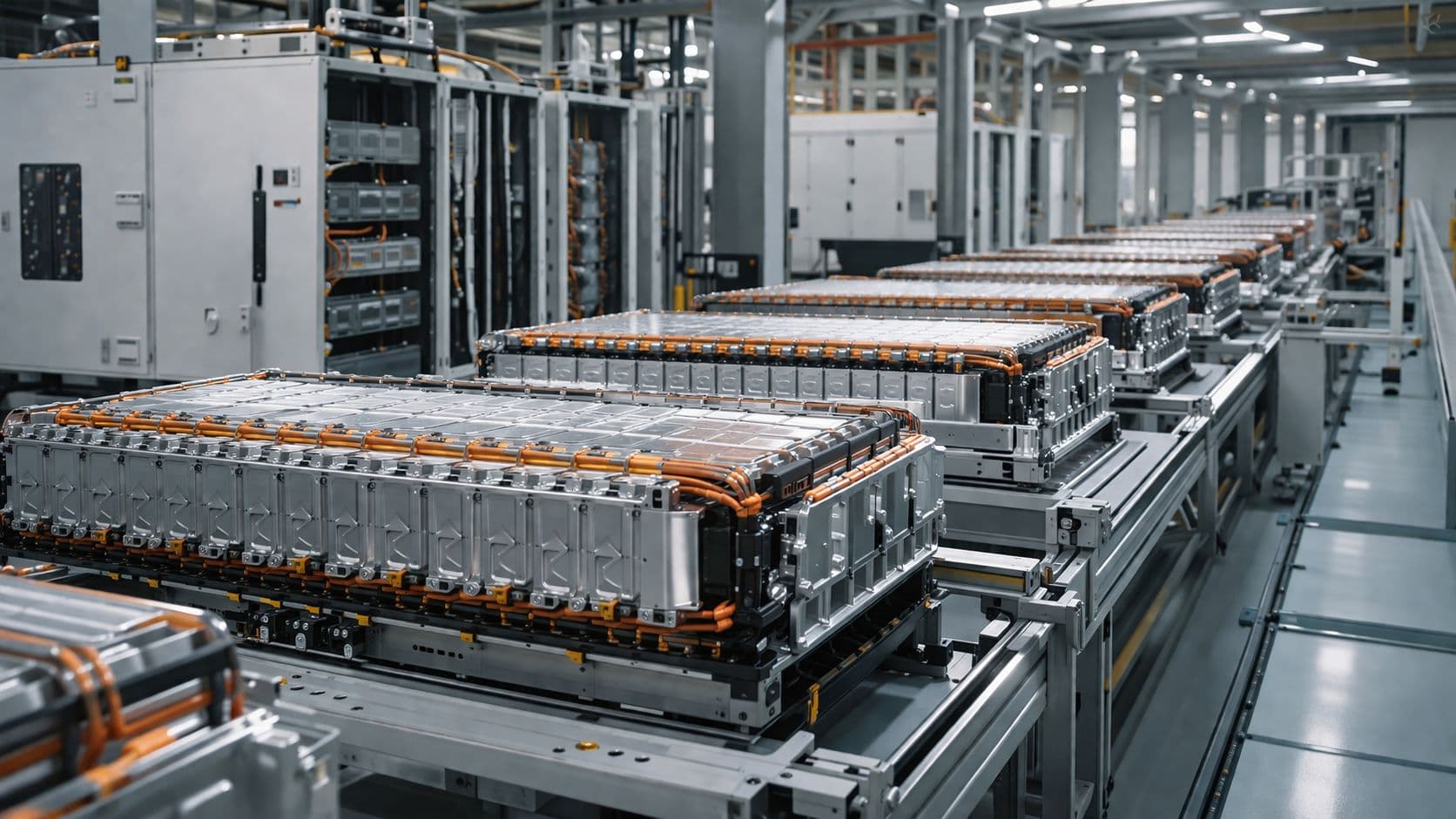
Battery modules moving along an automated production line
BatteriesRegulation (EU) 2023/1542

The law

The regulation that governs it. Every statement below names the instrument it comes from, the article it sits in, and the date of the copy we hold.

Held instrument

Regulation (EU) 2023/1542

The Batteries Regulation is the only held instrument that puts a digital product passport on a fixed date. It also carries the carbon footprint, recycled content and due diligence duties the passport has to surface.

  • Each LMT battery, each industrial battery with a capacity greater than 2 kWh and each electric vehicle battery placed on the market or put into service must have an electronic record, the battery passport.Art. 77(1) · 18 February 2027In law
  • The passport carries battery model information and information specific to the individual battery, split into a part open to the general public, a part for notified bodies, market surveillance authorities and the Commission, and a part for persons with a legitimate interest.Art. 77(2) and Annex XIII · 18 February 2027In law
  • Electric vehicle batteries must be accompanied by a lifecycle carbon footprint declaration, per battery model and per manufacturing plant, from the date in Article 7 or twelve months after the relevant delegated and implementing acts enter into force, whichever is later.Art. 7 · 18 February 2025In law
  • From the date in Article 8(1) or twenty-four months after the delegated act on the calculation method enters into force, whichever is later, industrial batteries above 2 kWh except those with exclusively external storage, electric vehicle batteries and starting, lighting and ignition batteries that contain cobalt, lead, lithium or nickel must be accompanied by documentation of the share of those materials recovered from waste.Art. 8(1) · 18 August 2028In law
  • Minimum shares of cobalt, lithium, nickel and lead recovered from waste become mandatory in the active materials of those same battery categories.Art. 8(2) · 18 August 2031In law

Source: CELEX 32023R1542 · as of 28 July 2023

Held instrument

Regulation (EU) 2025/1561

An amending regulation moved the battery due diligence start date. It is the reason a due diligence deadline you may have planned against is no longer the deadline.

  • The amending regulation replaced the date in Article 48(1), from which economic operators must set up and implement battery due diligence policies, with a later date.Art. 1 · 18 August 2027Postponed

Source: CELEX 32025R1561 · as of 30 July 2025

Dates

Dates that apply. Only obligations that carry a date in a held text appear here.

Batteries obligations

Each date below restates a dated obligation in the instrument named on the card.

  1. 118 February 2025

    Electric vehicle batteries must be accompanied by a lifecycle carbon footprint declaration, per battery model and per manufacturing plant, from the date in Article 7 or twelve months after the relevant delegated and implementing acts enter into force, whichever is later.

    Art. 7 · In law

  2. 218 February 2027

    Each LMT battery, each industrial battery with a capacity greater than 2 kWh and each electric vehicle battery placed on the market or put into service must have an electronic record, the battery passport.

    Art. 77(1) · In law

  3. 318 August 2027

    The amending regulation replaced the date in Article 48(1), from which economic operators must set up and implement battery due diligence policies, with a later date.

    Art. 1 · Postponed

  4. 418 August 2028

    From the date in Article 8(1) or twenty-four months after the delegated act on the calculation method enters into force, whichever is later, industrial batteries above 2 kWh except those with exclusively external storage, electric vehicle batteries and starting, lighting and ignition batteries that contain cobalt, lead, lithium or nickel must be accompanied by documentation of the share of those materials recovered from waste.

    Art. 8(1) · In law

  5. 518 August 2031

    Minimum shares of cobalt, lithium, nickel and lead recovered from waste become mandatory in the active materials of those same battery categories.

    Art. 8(2) · In law

The battery passport is the only digital product passport with a date in held law. No product group has an adopted delegated act under the Ecodesign for Sustainable Products Regulation.

Data model

What the passport carries. Every field, the sample value it takes, and the platform module that models it.

Sample values are fictional. Northline is an invented brand.
FieldSample
Battery identifierUnique identifier, resolved from the pack QR code
Cell chemistryCathode, anode and electrolyte specification
Rated capacity75 kWh
Carbon footprint62 kg CO2e per kWh, class B
Recycled sharesCobalt 18 % · Lithium 7 % · Nickel 9 %
State of health100 % · 0 cycles
Due diligencePolicy published, third party verified
Dismantling informationRemoval procedure and hazardous substance locations

Every field above is modelled by compliance-kernel-contracts/api/dpp-passport-types.ts.

The cost of waiting

What happens if you don't adapt?

A passport is checked at the point a product enters the market. When the record is missing, the product is what waits.

Products blocked from the EU market

Where an instrument requires a Digital Product Passport for a product group, products without one risk restricted access to the EU market.

A data project that becomes an emergency

A passport is a data project before it is a compliance one. Started late, it turns into re-keying, chasing suppliers and rework across systems, against a fixed date.

Audit risk and regulatory exposure

Fragmented or incomplete product data raises the risk of a failed audit, penalties and a correction you have to make in public.

The workflow

From your systems to a verified passport. Five steps, the same on every industry page, because the path does not change with the product group.

01

Create the product record

Start from the SKUs you already hold. The product record is what the passport hangs on, one per trade item.

02

Collect supplier data

Request the fields you do not hold from the party that holds them, with a due date and a trail of who answered.

03

Attach evidence

Test reports, declarations and certificates land in the evidence vault, attached to the field they support.

04

Run compliance checks

The industry template checks every required field and names the gaps before anything is published.

05

Publish the passport

The passport resolves from the product GS1 Digital Link, showing each audience only what it is allowed to see.

The bundle

The products behind it. The same platform, assembled for this product group.

Standards

The rails every passport runs on.

The passport data model, identifiers, data carriers and exchange formats follow EN 18216, EN 18219, EN 18220, EN 18221, EN 18222 and EN 18223, the six standards cited in the Official Journal by Implementing Decision (EU) 2026/1736. Norruva implements them as the rails every passport runs on.

See how we hold standards and evidence ›

Questions

Questions, answered. What teams in batteries ask before they start.

If the answer you need names a date, it comes from the held text of the instrument cited above it.

  • Article 77(1) names each LMT battery, each industrial battery with a capacity greater than 2 kWh and each electric vehicle battery placed on the market or put into service. Portable batteries are not in that list.

  • Article 77(2) and Annex XIII split it three ways: information open to the general public, information for notified bodies, market surveillance authorities and the Commission, and information for any person with a legitimate interest. Norruva models the split as access tiers rather than as one public page.

  • Yes. Regulation (EU) 2025/1561 replaced the date in Article 48(1) with a later one. This page states the new date and cites the amending act, so a plan built on the original date can be corrected against the source.

  • Article 7 sets the electric vehicle battery declaration from a fixed date or twelve months after the relevant delegated and implementing acts enter into force, whichever is later. The later of the two governs, so the date shown is a floor.

Start your first passport.

Model batteries in test mode, or talk to us about the rollout across your catalog.